Blackheath border moves Kidbrooke parking and loading hotspots
If you are planning a move near the Blackheath border, or you are trying to understand why certain streets in Kidbrooke suddenly feel tighter for vans and loading bays, you are not alone. The phrase Blackheath border moves Kidbrooke parking and loading hotspots sounds a bit specific, but the issue behind it is very real: border roads, permit zones, school runs, station traffic, and peak delivery times can all turn an ordinary move into a slightly messy one. Sometimes it is the difference between a clean, efficient unload and a van sitting there with hazard lights on, everyone checking their watches.
This guide breaks down what is going on, why it matters, and how to plan around it properly. You will get a practical view of parking pressure, loading access, local timing issues, and the kind of preparation that makes a move less stressful. If you are comparing services as well, it can help to understand how a man and van or a full removal service might handle these constraints on the day.
Truth be told, the road layout around border areas is rarely as simple as a map app suggests. That is where local knowledge earns its keep.
Table of Contents
- Why Blackheath border moves Kidbrooke parking and loading hotspots Matters
- How Blackheath border moves Kidbrooke parking and loading hotspots Works
- Key Benefits and Practical Advantages
- Who This Is For and When It Makes Sense
- Step-by-Step Guidance
- Expert Tips for Better Results
- Common Mistakes to Avoid
- Tools, Resources and Recommendations
- Law, Compliance, Standards, or Best Practice
- Options, Methods, or Comparison Table
- Case Study or Real-World Example
- Practical Checklist
- Conclusion
- Frequently Asked Questions
Why Blackheath border moves Kidbrooke parking and loading hotspots Matters
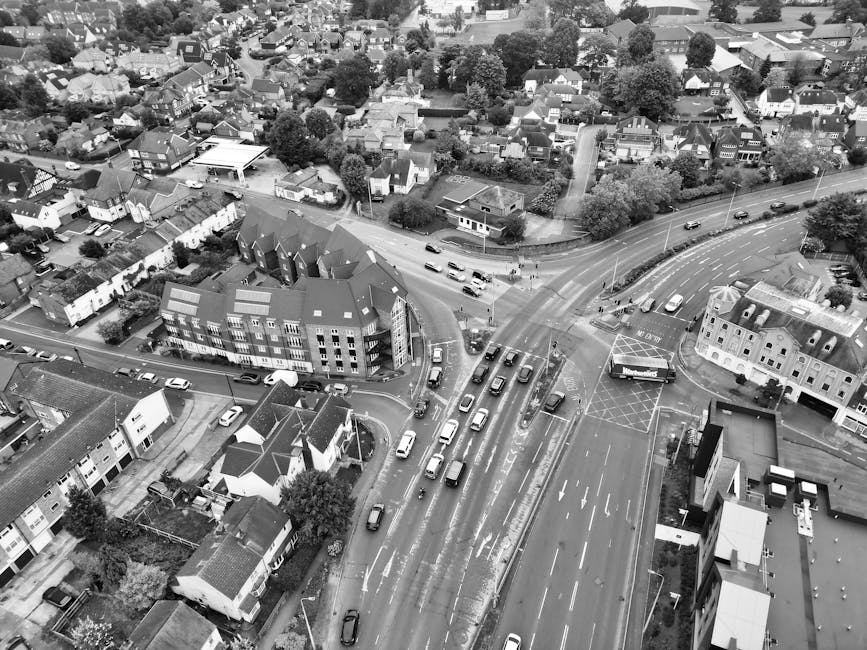
Border areas are awkward in a very specific way. They sit between neighbourhoods, so traffic patterns are shared, not neatly contained. A side street near Blackheath might look calm at 10:30 in the morning, then by 8:15 it can fill with commuters, dog walkers, school drop-offs, delivery vehicles, and the occasional impatient driver doing the classic London shuffle. Kidbrooke has its own rhythms too, especially around station access, newer developments, and roads where curb space is limited.
For removals, this matters because parking and loading are not small details. They affect:
- how close a vehicle can get to the property
- how long loading takes
- whether furniture needs carrying further
- the risk of blocking traffic or pedestrians
- the chance of getting a ticket or complaint
In practice, the strongest move plans treat parking as a core part of the job, not a last-minute nuisance. That is especially true near busy access points, narrow residential roads, and mixed-use streets where loading space is already under pressure. If you are working around a tighter route, a service such as moving van support can be useful because vehicle size and manoeuvrability become a big factor, not a small one.
The main reason this topic deserves attention is simple: a move can go from manageable to chaotic in a single parking mistake. And once you lose your loading spot, you often lose time everywhere else.
How Blackheath border moves Kidbrooke parking and loading hotspots Works
At street level, the process is shaped by a few moving parts. The term "hotspot" does not mean a formal zone with a sign on it. It usually means a place where parking demand, loading activity, or access pressure is repeatedly higher than expected. In a border area, hotspots tend to appear near:
- station approaches and main connectors
- shops and local services with short-stay turnover
- narrow residential roads with limited curb space
- school routes during morning and afternoon peaks
- shared boundary streets where parking rules may change from one side to another
Here is the part people sometimes miss. A parking hotspot is not only about the vehicle standing still. It is about the entire arrival sequence: approach, waiting, unloading, trolley movement, doorway access, and departure. If even one of those steps gets squeezed, the whole job starts to drag. Let's face it, nobody wants to be the van that has to circle the block three times while the sofa is already halfway out the door.
For this reason, good local planning usually includes:
- checking likely loading space before the move day
- identifying where a van can safely stop without causing problems
- deciding whether a smaller vehicle would work better
- timing the arrival to avoid peak congestion
- keeping a backup option in case the first spot is taken
If the route involves a lot of local stopping and starting, a removal van or a flexible man with van removal setup may be more practical than a larger truck. Not always, but often enough to matter.
Key Benefits and Practical Advantages
When you plan around parking and loading hotspots properly, the benefits show up fast. You spend less time waiting, less time carrying awkward items further than necessary, and less energy dealing with avoidable friction. That sounds basic, but on move day basic is gold.
Some of the clearest advantages are:
- Smoother access: A nearer parking position reduces carrying distance and speeds up loading.
- Less damage risk: Shorter carrying routes lower the chance of scraping walls, doors, or furniture.
- Lower stress: Fewer parking surprises means fewer last-minute decisions.
- Better scheduling: Timed arrivals help you avoid peak congestion.
- Improved cost control: A faster, cleaner job often saves money on labour time and delays.
There is also a subtle benefit that people underestimate: goodwill. If your vehicle is parked considerately, not blocking someone's drive or sitting awkwardly across a narrow pinch point, neighbours are much less likely to complain. That really helps in mixed residential streets where tolerance can be limited, especially first thing in the morning.
Expert summary: the more constrained the parking environment, the more value you get from precise planning, the right vehicle size, and a realistic arrival window. Simpler moves can absorb a small delay. Border-area moves usually cannot.
Who This Is For and When It Makes Sense
This topic matters to more people than you might expect. It is not only for full-house removals. In fact, some of the trickiest loading issues happen on smaller jobs where people assume everything will be quick. That is usually when trouble sneaks in.
You will benefit from thinking about Blackheath border parking and Kidbrooke loading hotspots if you are:
- moving home in or out of a flat, maisonette, or townhouse
- delivering bulky furniture to a tight residential street
- relocating a small office or studio
- moving at short notice and need a practical parking plan
- handling access-restricted items like a bed, sofa, wardrobe, or piano
- trying to keep disruption low for neighbours or building management
It also makes sense if you are comparing a full crew with a smaller service. A bigger team can help move items faster, but if the street itself is the bottleneck, the vehicle choice and timing matter just as much as manpower. For some jobs, removals near me is not really about distance at all. It is about who understands the local parking reality.
And yes, sometimes the right answer is surprisingly simple: use a smaller van, arrive a bit earlier, and park once rather than trying to be clever. Not glamorous. Very effective.
Step-by-Step Guidance
If you want the move to run cleanly, treat parking and loading as a short project of its own. Here is a straightforward way to approach it.
1. Map the access, not just the address
Look at the street pattern around the property. Where can a van reasonably pull in? Are there turns that are too tight for larger vehicles? Is there a one-way section or a bend that could block the kerb if you stop at the wrong angle? You are not trying to solve every road problem. You are just trying to avoid obvious surprises.
2. Check peak times
Think about commuters, school times, and local delivery windows. Even 30 minutes can change the feel of a street. A quiet loading bay at 9:10 may become a queue at 9:45. Time anchors matter here; if the first lift is scheduled for early morning, you usually get a calmer street and a little more breathing room.
3. Choose the right vehicle size
Big is not always better. A smaller van may allow easier curb access, less reversing, and quicker repositioning if the first space is taken. For awkward streets, flexibility often beats capacity. If you are weighing options, compare the job to the street rather than only the volume of items.
4. Prepare items before the van arrives
Have boxes sealed, furniture ready, and paths cleared. The van should not arrive to find the kettle still on and half the contents of a hallway waiting. A loading hotspot becomes much worse when people are still packing at the door.
5. Protect the route from door to vehicle
Check for trip hazards, tight corners, low lighting, wet paving, or awkward steps. In older streets especially, a short carry route can still include one annoying staircase. You know the kind - just enough to make you sigh.
6. Keep a backup plan
If your planned stopping point is taken, know where the next acceptable loading position is. That backup should be practical, not fantasy parking. One block away may be fine; three blocks away, not so much.
7. Communicate clearly on the day
If you are using a removal team, share the parking plan, access notes, and any building instructions before arrival. A quick message can prevent a long delay. This is one of those unglamorous steps that pays off immediately.
Expert Tips for Better Results
In our experience, the best move days are rarely the most complicated ones. They are the ones where someone did a few small things early. Nothing dramatic. Just disciplined preparation.
- Arrive with a fallback mindset. Assume your first parking option may fail. It happens.
- Use soft loading windows. If a street is hectic at 8:00, aiming for 10:00 may save you a lot of grief.
- Break heavy loads into logical groups. Keep essentials, fragile items, and awkward furniture separate.
- Label clearly. When the van is parked well but the flat is cluttered, the job still slows down.
- Keep neighbours in mind. A bit of courtesy goes a long way in dense residential areas.
- Think about turning room. A vehicle that can leave without several shunts is often the safer choice.
Here is a small but useful habit: stand outside the property five minutes before loading starts and look at the street from the driver's perspective. What looks fine from the doorstep can feel very different from behind the wheel. The difference is often enough to change the plan.
If you need extra help packing before the vehicle arrives, services like packing and unpacking services can remove a lot of the pressure. And for jobs where the route is particularly tricky, a well-organised commercial move style approach can be helpful even for smaller domestic jobs: clear roles, clear timing, clear access.
Common Mistakes to Avoid
Most access problems are avoidable. That is the frustrating part. But it also means you can often sidestep them with a bit of care.
- Assuming the nearest curb space will be free. In busy border areas, that is wishful thinking more than planning.
- Choosing a vehicle that is too large. A larger van can create more problems than it solves if the road is tight.
- Leaving parking decisions until arrival. By then, the clock is already against you.
- Ignoring loading restrictions or local signs. A brief glance is not enough if the street has mixed parking rules.
- Forgetting building access constraints. Lifts, stairs, narrow lobbies, and door widths all matter.
- Not briefing the move team. If they do not know the access issue, they cannot work around it properly.
Another common mistake is overconfidence after a previous easy move. "We did this last year and it was fine" is not much help if the area has changed, roadworks have appeared, or the timing is now different. Streets shift. Neighbourhood rhythms shift too.
Tools, Resources and Recommendations
You do not need fancy kit to manage parking and loading well, but a few practical tools help enormously.
| Tool / resource | Why it helps | When to use it |
|---|---|---|
| Street photos or a quick site check | Shows real curb space, bends, and obstacles | Before booking or confirming arrival time |
| Parking notes from the property | Reduces uncertainty for the driver or crew | When access is tight or unusual |
| Smaller vehicle option | Easier to manoeuvre in constrained streets | Border roads, busy residential lanes, short-stay access |
| Pre-packed boxes and labelled items | Speeds up loading and avoids confusion | Any move, especially time-sensitive ones |
| Building contact details | Helps resolve entry or loading issues quickly | Flats, managed blocks, or shared entrances |
Useful background reading can also help you avoid common planning errors. For example, if you are trying to compare costs, the guide on avoiding hidden fees in removal pricing is worth a look. Likewise, local access planning becomes easier when you understand the practical side of parking permit advice for Kidbrooke road moves and the broader picture in road closure rules for Kidbrooke moves and fines.
Law, Compliance, Standards, or Best Practice
This is the part people tend to skip until something goes wrong. Then they care deeply, quite suddenly. Parking and loading around Blackheath border and Kidbrooke streets can be affected by local restrictions, temporary road measures, permit systems, and property-specific rules. The exact requirements can vary by location and by time of day, so it is sensible to check before the move rather than hoping it will be fine.
Best practice usually includes the following:
- observe all signs and kerb markings carefully
- do not block driveways, crossings, or emergency access
- allow enough room for pedestrians, prams, and wheelchairs where possible
- avoid unsafe pavement loading or awkward reversing
- follow building management instructions for shared entrances or loading bays
- keep insurance and safety considerations in mind when moving heavy items
For a moving job, safe handling matters just as much as legal parking. A reputable team should be able to explain how they manage vehicle positioning, item lifting, and site safety. If you want to understand that side better, the site's insurance and safety and health and safety policy pages offer a useful sense of the standards involved.
There is also a sustainability angle worth mentioning. Repeated circling, poor vehicle planning, and unnecessary trips all create avoidable waste. That is one reason local route planning and smarter loading are not just convenient. They are cleaner, too.
Options, Methods, or Comparison Table
Different move types suit different access conditions. If your street is tight or the loading point is uncertain, it helps to compare the practical options rather than assuming one approach will fit every job.
| Option | Best for | Pros | Watch out for |
|---|---|---|---|
| Small van / man and van | Short moves, tight streets, smaller loads | Easier parking, more flexible access, often quicker to position | May need multiple trips for bigger loads |
| Standard removal van | Typical house moves with moderate access | Good balance of capacity and manoeuvrability | Can still struggle in narrow or busy streets |
| Larger removal truck | Bulkier moves with better road access | Higher capacity, fewer trips | Needs more space for loading, turning, and safe stopping |
| Split load approach | Access-limited properties or staggered timing | Reduces pressure at the curb and at the doorway | Requires tighter coordination and planning |
For many Kidbrooke and Blackheath-border jobs, the best answer is not the biggest vehicle. It is the vehicle that can actually stop where it needs to stop. That sounds obvious written down, but in the rush of move day people sometimes forget it.
Case Study or Real-World Example
Here is a realistic example. A couple moving from a flat near the Kidbrooke side of the Blackheath border had a standard plan: one medium van, morning arrival, and a quick load. Straightforward enough. The problem was the street. By mid-morning, resident parking was busy, a delivery vehicle had already taken the most convenient loading position, and the only remaining space was too tight for a smooth handover.
Instead of forcing it, the team adjusted. They used a smaller stopping point nearby, carried lighter boxes first to clear the doorway, then brought furniture out in a more deliberate sequence. It took a little longer than the original estimate, but the move stayed controlled. No blocked driveway. No awkward reversing. No stressed neighbour tapping their watch and glaring from the pavement. Small mercies.
The key lesson was simple: the move was never going to be decided by muscle alone. It was decided by access, timing, and how well the team adapted once the first parking choice was gone. That kind of flexibility is often what separates a smooth move from an exhausting one.
Practical Checklist
Use this checklist before move day if you are dealing with Blackheath border parking and Kidbrooke loading hotspots.
- Confirm the exact property access and entrance location
- Check likely parking or loading space near the front door
- Note busy times, school traffic, or delivery peaks
- Choose a vehicle size that matches the street, not just the load
- Prepare fragile and bulky items in advance
- Clear hallways, stairs, and door routes
- Share access notes with the mover before arrival
- Keep a backup stopping point in mind
- Review any permit, building, or local parking instructions
- Have keys, contacts, and payment details ready
If you want a more detailed prep process, the guide on packing for your next house move can help you get the inside of the property ready, while stress-free house moving advice is useful when you want a calmer overall plan.
Conclusion
Blackheath border moves Kidbrooke parking and loading hotspots are really about one thing: making access work in a part of London where space is often at a premium. If you understand where the pressure points are, plan your vehicle choice carefully, and build in a little flexibility, the whole day becomes easier. Not perfect, maybe. But manageable. And honestly, manageable is often exactly what you need.
The best moves in these areas are not the ones with the most luck. They are the ones with the most preparation. A bit of forethought, the right timing, and a vehicle that suits the street can save you time, stress, and those horrible little delays that spread everywhere. If you are weighing your options and want a practical way forward, start by thinking about the access first and the boxes second.
Get a free quote today and see how much you can save.
And if you are standing outside with a tape measure, a coffee, and a mild sense of dread, that is fine too. We have all been there.
Frequently Asked Questions
What does Blackheath border moves Kidbrooke parking and loading hotspots actually mean?
It refers to the parking and loading pressure points that often appear on streets around the Blackheath and Kidbrooke boundary, especially where access is shared, space is limited, or traffic patterns change by time of day.
Why are parking and loading hotspots such a big deal during a move?
Because they affect how close a van can get to the property, how long loading takes, and whether the move can happen safely and efficiently. A bad parking spot can add time, effort, and cost very quickly.
Is a smaller van always better for Kidbrooke border streets?
Not always, but it often helps. Smaller vehicles are easier to position in tight residential roads and can reduce the risk of blocking traffic. For bigger loads, though, you still need enough capacity, so balance matters.
How far in advance should I plan parking for a move?
As early as you can. Even a basic parking check a few days before the move can highlight obvious issues. If the street is busy or the access is unusual, earlier planning is better.
Do I need a parking permit for a removal van?
Possibly, depending on the street and local restrictions. Some areas need permits or have loading rules at certain times. It is best to check the specific location rather than assume the van can stop anywhere.
What if the loading space is taken on the day?
Have a backup plan. A nearby legal stopping point, a smaller vehicle, or a slightly different arrival time can help. This is exactly why local access knowledge is so useful.
Can I still move if the street is very narrow?
Yes, in many cases you can, but the approach may need adjusting. That might mean a smaller van, more careful loading, and a better understanding of where the vehicle can safely stop.
What are the most common mistakes people make with parking on move day?
The biggest ones are assuming a space will be free, arriving without a backup plan, and choosing a vehicle that is too large for the road. Those mistakes can snowball quickly.
How do I reduce neighbour complaints during a move?
Park considerately, avoid blocking driveways, keep the loading process efficient, and communicate if needed. A calm, tidy approach usually goes a long way in residential streets.
Should I book packing help as well as transport?
If time is tight or the access is awkward, yes, it can be a smart move. Well-prepared items load faster and reduce the amount of time the vehicle needs to stay parked in a pressured area.
What is the best time of day for parking and loading in these areas?
There is no single perfect time, but quieter mid-morning or outside peak commuter windows often works better than the rush hours. The exact sweet spot depends on the street, so local observation helps.
Where can I learn more about moving safely and avoiding hidden costs?
It helps to look at practical guides on pricing, access, and move preparation. The most useful information is usually the stuff that explains how street conditions, timing, and vehicle choice affect the final job.