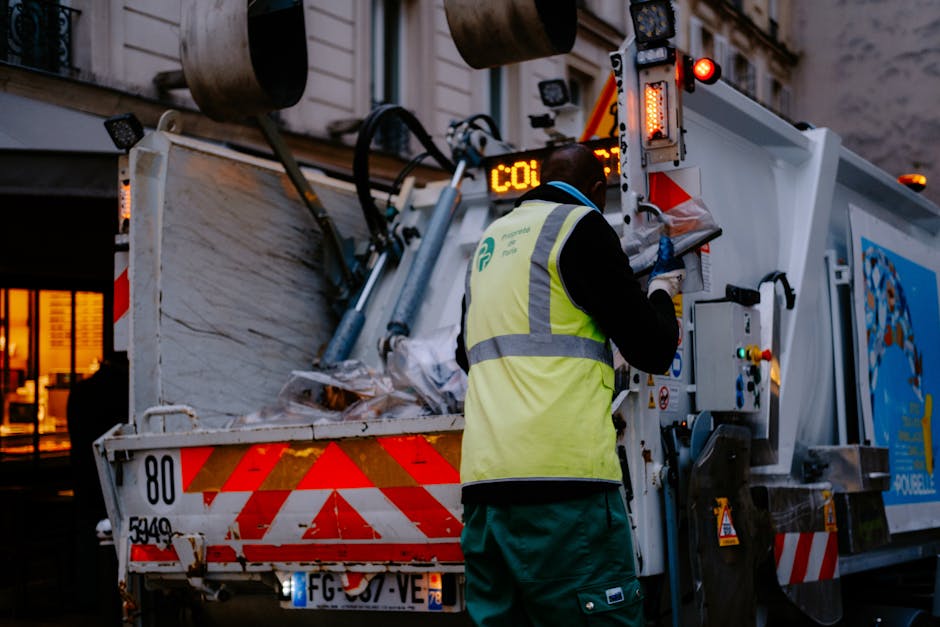
Waste disposal laws affecting Kidbrooke removals: what homeowners and businesses need to know
If you are planning a move in Kidbrooke, waste disposal laws can shape far more of the job than most people expect. A removal day is already busy enough without realising that old mattresses, broken furniture, bagged waste, garden cuttings, or office clear-out items may need to be handled under specific legal and environmental rules. The truth is simple: Waste disposal laws affecting Kidbrooke removals are not just about avoiding fines. They also protect you from fly-tipping risks, support recycling, and make the whole move feel cleaner and more organised. In this guide, we will unpack how those rules work in everyday terms, what good practice looks like, and how to avoid the little mistakes that can turn into very expensive headaches.
Why waste disposal laws matter in Kidbrooke removals
Moving home or relocating a business in Kidbrooke often creates more waste than people first realise. There are the obvious bits, like cardboard and packing wrap, but also the awkward items: chipped furniture, old appliances, leftover paint, broken shelving, and that random pile of "I'll sort it later" stuff that somehow appears in every cupboard. Waste disposal laws matter because they draw a line between ordinary clear-out work and regulated waste handling.
In the UK, the basic expectation is that waste is stored, transported, and disposed of responsibly. If a removal involves waste, the person organising it can't just assume it will disappear safely. That's where things get interesting. If waste is handed to the wrong party, dumped without proper care, or mixed with recyclable items in a messy way, the responsibility can land back on you. Not ideal, to put it mildly.
For Kidbrooke moves, this matters for a few local reasons too. Flats, maisonettes, and busy residential roads often make collection and loading more constrained than people expect. Limited access can lead to items being left outside while everyone is distracted by keys, parking, and the lift that seems to stop working at the worst possible moment. In those moments, having a clear waste plan is not a luxury. It is basic move-day control.
It also matters because waste rules and environmental expectations are tightening in practice, even when the exact process depends on the type of waste involved. A removal that is tidy, sorted, and traceable is easier to manage, cheaper in the long run, and usually less stressful for everyone involved. And let's face it, moving day already has enough drama.
How waste disposal laws affecting Kidbrooke removals works
The easiest way to think about it is this: not everything removed from a property is "rubbish" in the casual sense. Some items are reusable, some are recyclable, and some are controlled waste that needs careful handling. During a Kidbrooke removal, the job usually falls into a few categories.
First, there is the moving load itself. This includes boxed belongings, furniture, household goods, and office equipment that are being taken to another property. These items are not waste at all if they are being transported for continued use.
Second, there is unwanted material. Think old sofas, damaged wardrobes, broken white goods, excess packaging, or items the customer has decided not to keep. This is where disposal law starts to matter. Some of those items can go to reuse or recycling channels, while others may need a licensed waste route.
Third, there are special or awkward materials. Batteries, fluorescent tubes, certain electronics, solvents, paints, chemicals, and some building-related leftovers can create extra obligations. A removal team cannot just throw these into a general load and hope for the best. That would be a poor idea, legally and practically.
In normal day-to-day removals, a good operator will separate waste from moving items, identify anything that should not be carried as ordinary rubbish, and decide whether it can be reused, recycled, or sent through a proper disposal channel. In the real world, that means a bit of judgement, not just brute force. A van full of boxes is one thing; a van full of mixed waste is another.
If you are comparing removal options, it helps to know the difference between a straightforward move and a clear-out-heavy job. Services such as removal services, man with van, or man and van arrangements can all be useful, but the details of what is being moved versus what is being disposed of should always be agreed up front.
Key benefits and practical advantages
Following waste disposal laws properly is not just about avoiding trouble. It brings real advantages on moving day, and some are surprisingly practical.
- Less risk of fines or complaints: If waste is left in the wrong place or passed to an unreliable carrier, the consequences can be awkward fast.
- Cleaner move-out process: Sorting items before the van arrives keeps hallways, driveways, and loading areas calmer.
- Better recycling outcomes: Many materials are easier to recover when they are separated early rather than mixed in a single pile.
- Safer handling: Old furniture, glass, sharp metal edges, and electrical items can be hazardous if thrown together carelessly.
- Clearer pricing: A properly described disposal job is easier to quote for than a vague "we've got some bits and pieces".
There is also a quieter advantage that people often miss: peace of mind. A move is a stressful day at the best of times. Knowing that the unwanted stuff is being handled properly lets you focus on the lock, the kettle, the child's favourite toy that disappeared under a bed, all that normal chaos.
For business customers, the benefit is even bigger. Office clear-outs may include confidential files, redundant desks, IT hardware, and general waste that needs proper separation. A tidy disposal process helps reduce disruption and supports a more professional handover. If your move is commercial, it is worth considering office removals or commercial moves where the waste plan is built in from the start.
Who this is for and when it makes sense
This topic is relevant to a lot more people than you might think. If you are moving out of a flat in Kidbrooke Village, clearing a family home, downsizing, managing a probate property, or relocating an office, waste disposal law touches your process in one way or another.
It makes sense to pay close attention if you are:
- disposing of furniture, appliances, or bulky household items
- emptying a property after long-term occupancy
- moving from a flat with limited lift access or tight communal areas
- replacing office furniture during a business relocation
- trying to reduce costs by combining removals with clearance work
- unsure whether your unwanted items count as waste, reusable goods, or special items
For many households, the best approach is a hybrid one. Keep the moving load separate from the waste load. That sounds obvious, but in practice people often blur the two. One minute you are packing plates, the next you are deciding whether the old coffee table is "still fine" or should be taken away. The distinction matters.
If you are planning a more traditional household move, it can also help to look at home moves, house removals, or house movers as part of your wider planning. Those services are about the move itself, while the waste side needs its own bit of thought.
Step-by-step guidance
If you want to stay on the right side of waste disposal rules during a Kidbrooke move, a simple step-by-step approach works best.
- Walk through the property early. Before packing gets serious, identify what is being kept, what is being donated or reused, and what must go.
- Separate normal move items from waste. Put waste in a different corner, room, or labelled set of bags. Don't mix it with boxes.
- Check for special items. Batteries, paint, chemicals, and certain electronics should be flagged early so they are not treated as ordinary rubbish.
- Confirm what the removal team will take. A clear conversation avoids confusion later. In our experience, this is where most misunderstandings start.
- Use proper carriers and disposal routes. If anything is going to be removed as waste, make sure the arrangement is lawful and traceable.
- Keep a note of what went out. Even a basic list helps if questions come up later. A photo on your phone can be surprisingly useful.
- Leave the site clean. Sweep out cupboards, check corners, and don't forget sheds, lofts, or utility rooms.
A small but important point: waste should not be treated as an afterthought at the end of packing. When it is left too late, people get tired, rush decisions, and make poor choices. That is usually when items get bundled together just to get it done. A bit of planning saves a lot of mess.
If you need packing support as well, it can be sensible to look at packing and unpacking services. Those services can reduce the chance of waste being mixed with valuables or accidentally taken away.
Expert tips for better results
A few practical habits make a big difference.
- Label rooms, not just boxes. A simple "keep / donate / dispose" system is easier to follow than working from memory at 7 a.m.
- Photograph bulky items before collection. This helps avoid disputes about condition and ensures everyone knows what is being taken.
- Ask about recycling pathways. Good operators will usually be transparent about whether items are reused, recycled, or disposed of.
- Keep hazardous items separate. Even a small can of leftover paint can cause confusion if it ends up mixed into ordinary waste.
- Plan access carefully. In Kidbrooke, narrow parking spaces and shared entrances can slow the job down if the waste staging area is badly chosen.
One understated trick: create a "do not load" zone. It sounds slightly dramatic, but it works. Put any item you are still unsure about in one clearly marked area. That way nobody grabs the wrong chair or the cable box that you meant to keep. Happens all the time, honestly.
For older furniture and bulky items, it may also be worth considering dedicated collection support such as furniture pick up. That can be a cleaner option than mixing disposal with the moving load.
Common mistakes to avoid
Most problems come from simple oversights, not big dramatic failures. That is the annoying part.
- Assuming everything can go in the van: A removal vehicle is not automatically a waste vehicle.
- Leaving disposal decisions until the last hour: Rushing usually leads to mixed loads and messy sorting.
- Not asking what happens to unwanted items: If nobody explains the disposal route, ask. It is your right to understand the process.
- Mixing hazardous and general waste: This is where small problems become serious ones.
- Using an unverified carrier: If waste disappears and later shows up in the wrong place, the trail can come back to you.
- Forgetting commercial paperwork: Offices sometimes need an extra layer of care around records, hardware, and data-bearing items.
There is also a softer mistake: being too polite to ask the obvious question. You know the one. "Will you take that too?" If it needs a special route, better to find out before move day. Nobody enjoys last-minute surprises when the lift is booked and the rain is starting.
Tools, resources and recommendations
You do not need a complicated toolkit to manage waste properly during a Kidbrooke move. A few simple things will do the job very well.
- Marker pens and labels: Ideal for marking keep/dispose/donate zones.
- Heavy-duty bags and boxes: Useful for loose waste and small broken items.
- Basic inventory notes: A phone note or paper list helps keep track of what leaves the property.
- Gloves and sensible footwear: Useful when dealing with sharp edges, dust, or awkward loft items.
- Loading plan: Decide in advance what goes on first and what needs to stay accessible.
On the service side, the most useful pages to review are usually removal company, removal companies, and movers. They can help you compare a straightforward transport job with a fuller clearance-minded move.
If you want to understand how the business handles safer and more responsible work, it can also be useful to read the site's health and safety policy, insurance and safety, and recycling and sustainability pages. Those are good trust signals when you are choosing who to work with.
Law, compliance, standards, or best practice
This is the part people tend to skip, and then regret later. In plain English, the legal expectation is that waste is handled responsibly, by appropriate people, and in a way that does not create pollution or illegal dumping. The specific duties can vary depending on the type of waste, how much there is, and whether it includes special materials.
Best practice in a Kidbrooke removal generally means:
- separating reusable items from waste
- keeping hazardous items out of general loads
- using clear descriptions for what is being removed
- ensuring waste goes through lawful disposal or recycling routes
- keeping records where appropriate, especially for business moves
For domestic moves, the main concern is usually making sure nothing ends up dumped irresponsibly. For commercial moves, there may be extra care around confidential material, electrical equipment, and office clear-out waste. The sensible rule is simple: if you are unsure whether something counts as regular waste, treat it cautiously and ask before loading it.
The best operators will not be vague about this. They will explain what can be moved, what needs separate handling, and what should stay out of the van. That level of clarity is reassuring. It also tends to make the day go smoother, which is no small thing when there are boxes everywhere and someone is looking for the kettle.
One more point worth saying plainly: if a price looks oddly low and waste is involved, ask what is included. Sometimes low quotes are low because the waste side has been left out, and that is where the trouble starts. It is better to know up front than to discover the hidden bit later.
Options, methods, or comparison table
There is more than one sensible way to deal with waste during a Kidbrooke move. The right option depends on volume, item type, and how much sorting you want to do yourself.
| Option | Best for | Strengths | Watch-outs |
|---|---|---|---|
| Move only, dispose separately | Most household moves | Clear separation, simpler planning | Requires a second arrangement for waste |
| Combined move and clearance | Downsizing, probate, major declutters | Efficient, fewer contractors to manage | Needs careful item classification and pricing |
| DIY sorting before collection | Smaller moves with time to spare | Cheaper, more control over recycling | More work for you, and a bit tiring |
| Business clear-out with records | Office relocations | Better compliance, tidy handover | Needs better planning and documentation |
In many cases, the best answer is a mix: sort the obvious items yourself, then use a removal team for the heavy lifting and transport. That tends to keep costs manageable without turning the move into a weekend-long scavenger hunt.
Case study or real-world example
Picture a family moving from a Kidbrooke flat to a house elsewhere in southeast London. They have the usual moving load: beds, clothes, kitchenware, toys, and a heavy sofa that has seen better days. They also have a couple of broken shelves, a stack of flattened boxes, some old cables, and a small pile of items they no longer want.
At first, everything seems easy enough to throw together. But once they start loading, the sofa is too large to treat casually, the cables are tangled with electronics, and the leftover items need a decision. Are they waste? Reusable? Recyclable? Suddenly, a simple move becomes muddled.
What worked best was a short sorting session the day before. They separated keep items, gave away a few usable bits, and identified the waste pieces clearly. The moving team handled the household load as planned, while the unwanted furniture and loose materials were dealt with separately. The result was less mess, quicker loading, and no last-minute argument over what should go on the van.
Nothing fancy. Just clear boundaries. It made the whole day calmer, and honestly, a calmer move is worth a lot.
Practical checklist
Use this before moving day. It keeps things much steadier.
- Have I separated keep, donate, recycle, and dispose items?
- Have I identified anything hazardous or special?
- Do I know what the removal team will and will not take?
- Have I labelled waste clearly so it does not get mixed with belongings?
- Have I checked access, parking, and loading space?
- Have I taken photos or notes of bulky items?
- Have I confirmed whether I need a separate clearance arrangement?
- Have I checked the operator's approach to recycling and responsible disposal?
- For an office move, have I planned for records, electronics, and confidential material?
- Have I left enough time to sweep, inspect, and do a final walk-through?
If you can tick most of those off, you are already in a much better place than many moving households. No heroics needed. Just a sensible order of operations.
Get a free quote today and see how much you can save.
Conclusion
Waste disposal laws affecting Kidbrooke removals are really about responsibility, clarity, and good planning. If you know what is being moved, what is being discarded, and how each item should be handled, the whole process becomes easier and far less risky. That matters whether you are moving a one-bedroom flat, a family house, or a busy office with far too many cables.
The biggest lesson is probably this: do not leave waste decisions until the end. A little preparation goes a long way, especially in a place like Kidbrooke where access, parking, and timing can make a simple job feel much busier than expected. Sort early, ask questions, and keep the disposal side separate from the move side wherever possible.
And if you are trying to balance speed, safety, and a proper clean finish, that is exactly the kind of move that feels good once the door shuts behind you. Quietly good. The best kind, really.
Frequently Asked Questions
What are waste disposal laws affecting Kidbrooke removals?
They are the rules and practical duties that apply when unwanted items, rubbish, bulky waste, or special materials are removed during a move in Kidbrooke. The key idea is that waste must be handled responsibly and not just thrown into a van without thought.
Do all removal jobs include waste disposal?
No. Some removal jobs are purely about transporting belongings to a new property. Waste disposal only becomes part of the job if you are also getting rid of items. That distinction matters because the handling, pricing, and compliance needs can be different.
Can a removal company take old furniture and rubbish together?
Sometimes yes, but only if the arrangement is clear and lawful. Old furniture, packaging, and general rubbish may need different handling from ordinary household goods. It is always better to confirm in advance rather than assume everything can travel together.
What happens if waste is mixed with my moving items?
It can create confusion, slow the move down, and increase the risk of items being handled incorrectly. If special materials are mixed with ordinary belongings, that can create compliance problems as well. Separation is the safer route.
Are there special rules for office removals in Kidbrooke?
Yes, office moves often need extra care because they can involve confidential paperwork, electronic waste, furniture, and mixed clear-out material. A commercial move usually benefits from more planning and clearer documentation than a standard house move.
Do I need to sort recyclable items before moving day?
It helps a lot. Sorting cardboard, reusable furniture, and general waste before the team arrives makes the load cleaner and can improve recycling outcomes. Even a rough sort is better than none. You will notice the difference immediately.
What items are most likely to cause problems?
Batteries, paint, chemicals, fluorescent tubes, damaged electronics, and bulky broken items tend to cause the most headaches. They often need special handling or separate disposal routes, so they should be identified early.
How can I reduce the cost of disposal during a move?
Start by reducing the amount of waste you create. Donate reusable items, break down cardboard, and separate what can be recycled. A clearer load is usually easier to quote for than a mixed pile of "bits and pieces".
Should I ask for proof of responsible disposal?
Yes, especially for larger clear-outs or business moves. A trustworthy operator should be able to explain how waste is handled and what happens to different item types. That kind of transparency is a good sign.
Is furniture pick-up different from normal removals?
Often, yes. Furniture pick-up focuses more directly on collecting unwanted bulky items, which can suit a clearance-heavy job better than a standard house move. If you only need one or two large items taken away, it can be a neat solution.
What is the safest approach if I am unsure whether something is waste?
Keep it separate until you know. If you are unsure about an item, do not bundle it in with the main move. Ask the removal team what category it falls into and how it should be handled. That small pause can save a lot of trouble later.
Where should I start if I want a compliant Kidbrooke removal?
Start by sorting the property into keep, donate, recycle, and dispose piles. Then confirm the removal plan, check for special waste, and choose a service that can explain its approach clearly. A good start usually leads to a much smoother day.
For more about the business behind these services, you may also find the pages on about us, terms and conditions, and contact us useful when you are deciding who to trust with your move.