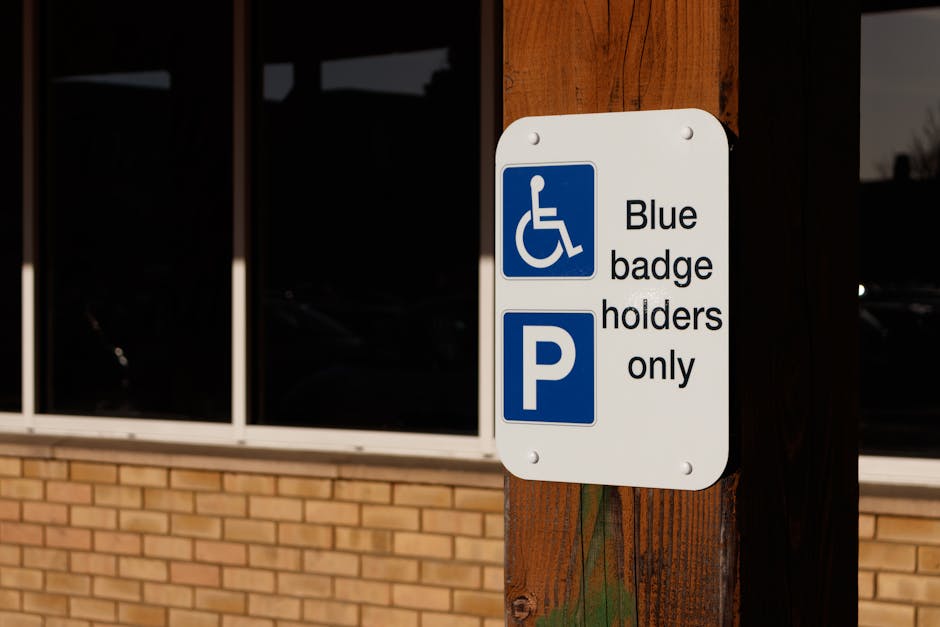
Kidbrooke Park Road removals: parking & permit advice
Posted on 26/05/2026

Moving on or near Kidbrooke Park Road can look straightforward on a map, and then suddenly it isn't. One parked car in the wrong place, one narrow stretch of road, one permit you forgot to arrange, and the whole day can start slipping. If you're planning a move here, Kidbrooke Park Road removals: parking & permit advice is not a side issue - it's part of the job.
This guide explains how parking, permits, access, and loading arrangements usually affect a removal in this part of Kidbrooke. You'll learn what to check before moving day, how to reduce delays, what can trip people up, and when it makes sense to ask for help. A smooth move is often just good planning, honestly.
We'll also cover practical preparation around packing, lifting, furniture handling, and storage, because parking problems rarely exist on their own. They tend to show up right when the sofa is in the hallway and the kettle has already gone missing. Not ideal.
- Why it matters
- How parking and permits work
- Key benefits and practical advantages
- Who this is for
- Step-by-step guidance
- Expert tips
- Common mistakes
- Tools, resources and recommendations
- Law, compliance, standards or best practice
- Options, methods, or comparison table
- Case study or real-world example
- Practical checklist
- Conclusion
- Frequently asked questions
Why Kidbrooke Park Road removals: parking & permit advice Matters
Parking is one of those boring details that becomes very interesting the moment a removal van arrives and there's nowhere legal to stop. On Kidbrooke Park Road, the issue is often less about distance and more about logistics: can the van get close enough, can the crew load safely, and will they be blocked by traffic, neighbours, or permit restrictions?
That matters for three reasons. First, time. Every extra minute spent searching for a space is a minute the move is stretching out. Second, safety. Carrying furniture further than expected increases fatigue and the chance of damage. Third, cost control. If access is poor, the move may need more labour time or a different vehicle plan. Small issue, big ripple effect.
To be fair, most people don't think about this until the day before moving day. That's normal. But local streets can be unforgiving. A van that fits on one stretch may not fit safely on another; loading may have to happen away from the front door; and if a bay or permit is needed, it's better to sort it early rather than plead with the traffic warden after the fact.
This is also where the wider moving plan comes together. A sensible removal starts with decluttering, careful packing, and knowing which items need extra handling. If you're still organising the basics, it can help to read decluttering tips before moving and practical packing advice for house moves before the van arrives.
How Kidbrooke Park Road removals: parking & permit advice Works
In practice, parking advice for a local removal is about matching three things: the vehicle, the road, and the rules. The goal is simple - give the van the best possible legal stopping point near the property, with enough room for loading and enough time to work without stress.
There are a few common scenarios:
- Driveway or private forecourt access - easiest case, though turning space still matters.
- Resident bay or permit-controlled street parking - may need advance permission or a visitor permit arrangement.
- Single yellow or loading restriction areas - sometimes possible for short loading, but only if the restriction allows it.
- Busy roads with limited kerb space - often require a more flexible plan and careful timing.
The most useful approach is to think like the removal team. Where will the van actually stop? Can the doors open? Is there a safe walking route from property to vehicle? Is there room for a trolley if the item is large? That last one gets overlooked more often than you'd expect.
Sometimes the answer is not "find a perfect spot" but "find the least disruptive legal spot". That may mean a short walk from the door, a staggered loading process, or using two people to ferry lighter boxes while the bigger items are handled separately. If you want a better feel for handling tricky furniture, the guides on furniture removals in Kidbrooke and safe solo heavy lifting are useful background reading.
And yes, if you're moving a piano, the parking plan becomes even more important. The crew may need a van position that keeps the carry short and the route clear. You can see why on piano removals in Kidbrooke and in the guide on moving a piano safely without DIY.
Key Benefits and Practical Advantages
Good parking and permit planning sounds administrative, but it has very real benefits on move day. Once it's done properly, the whole process tends to feel calmer. Less waiting, less backtracking, less "where on earth is the van going to stop?"
- Faster loading and unloading - shorter carry distances save time and energy.
- Lower risk of damage - fewer long carries mean fewer knocks to walls, bannisters, and furniture.
- Better protection from fines or complaints - especially in controlled parking zones.
- Improved crew efficiency - the team can focus on safe moving rather than improvising.
- Less disruption to neighbours - a considerate loading plan usually keeps things smoother for everyone.
There's another benefit people miss: confidence. When you know the vehicle can park legally and the route is clear, you stop fretting about the unknowns. That matters more than it sounds like it should. A move is already noisy and slightly chaotic - don't add parking anxiety to the mix.
If your move also involves temporary storage or staged moving, parking planning can help there too. A van that can't get close to the door may make a same-day transfer less practical, which is where storage options in Kidbrooke or same-day removals in Kidbrooke can become part of the conversation.
Who This Is For and When It Makes Sense
This advice is useful for more people than you might think. It isn't just for large house moves. In fact, parking issues often show up in the smaller moves where people assume they can just "wing it". That usually works right up until it doesn't.
You'll find this especially relevant if you are:
- moving out of a flat with restricted street access
- using a removal van or man and van service for the first time
- moving a mix of boxes, furniture, and awkward items
- trying to complete a same-day move with tight timing
- living on a road where parking is already competitive
- organising a student move, where speed and budget matter
It also makes sense for landlords, tenants, and office managers who need a move planned around local parking realities. An office relocation, for example, can fail on the small stuff - a delivery bay blocked, a van arriving too early, or a permit not ready. That's why services like office removals in Kidbrooke and flat removals in Kidbrooke are often planned differently from standard house moves.
If you're a student or relocating from a compact property, the need is even clearer. Limited space, stairs, and awkward parking can create a pile-up of small issues. See student removals in Kidbrooke for a more tailored approach.
Step-by-Step Guidance
Here's a practical way to handle Kidbrooke Park Road removals without getting caught out by parking or permits.
- Check the property access first. Measure the front path, gate width, stair turns, and any low branches or tight corners. Simple, but easy to skip.
- Look at the street layout. Note resident bays, yellow lines, kerb space, and whether a large van can safely stop without blocking traffic.
- Review permit or loading rules. If the street is controlled, check whether visitor permissions, temporary bay suspensions, or loading exemptions may be needed. Don't assume.
- Estimate the carry distance. From van to front door, how far is it actually? Ten metres is fine. Fifty metres in winter rain, not so much.
- Plan your loading order. Put large items, essentials, and fragile goods in a sequence that matches the route. The first thing off should not be buried under garden clutter.
- Confirm timing with the removal crew. If there's a parking window or permit start time, the team needs it in advance so they can arrive and load efficiently.
- Prepare a backup option. Sometimes the best plan gets blocked by a parked car, a delivery vehicle, or local traffic. Know the fallback space before moving day.
A good trick is to do a "walkthrough" the day before. Stand at the front door, walk to where the van would likely stop, and imagine carrying a wardrobe or mattress. It sounds a bit overcautious. It isn't.
If you are still in the packing stage, combine this with the right materials and box types. The page on packing supplies and boxes in Kidbrooke can help you get that bit right, and it saves headaches later.
Expert Tips for Better Results
Parking and permit planning becomes much easier when you think ahead by one or two steps. That's the whole game really.
- Book your parking solution before the rest of the move is locked in. If the van has nowhere to stop, everything else becomes a compromise.
- Keep the access route clear. Shoes, recycling, pushchairs, plant pots - move them out of the way early. The little clutter matters.
- Label heavy or priority items. If the van needs to park a little further away than expected, the team can still load in a sensible order.
- Use a trolley or shoulder strap only where suitable. Not every surface or staircase is friendly to wheels. Sometimes simple carrying is safer.
- Allow for weather. A wet November afternoon in London changes everything. Floors get slippery, boxes get softer, and patience gets shorter.
- Keep your phone charged. If a permit detail changes or the parking spot needs confirming, you do not want to be hunting for a charger at 7:30 a.m.
One small thing: don't let the word "permit" make you think this is only for formal, council-heavy situations. Sometimes it's just about arranging the right parking permission with the building, landlord, managing agent, or local authority process if required. The exact route depends on the property. It always does.
For heavier or more awkward items, it may be worth reading kinetic lifting techniques and insurance and safety information before you start hauling things around. That way, the move is safer and a bit less heroic. Heroes are overrated on moving day.

Common Mistakes to Avoid
The biggest parking mistakes are often the most ordinary ones. A move rarely goes wrong because of one dramatic event. More often, it's a collection of small oversights that stack up.
- Assuming parking will be available on the day. Streets near busy residential areas can fill quickly.
- Forgetting to check restrictions for the exact time slot. Loading rules may differ by time of day, not just location.
- Ignoring the walking route. A technically legal space may still be a poor loading spot if the route is steep, narrow, or cluttered.
- Leaving permit arrangements until the last minute. Admin delays are the kind that always feel longer when you are waiting on them.
- Not telling the removal team about access issues. They can plan around a problem if they know about it. If they don't, it becomes everyone's problem.
- Failing to declutter before move day. More items means more carries, more time, and a higher chance the parking window gets squeezed.
Another subtle mistake is underestimating awkward furniture. A sofa can be light enough to move, yet still awkward enough to catch on a doorway if the route is tight. If that sounds familiar, have a look at sofa handling and storage guidance and bed and mattress moving advice.
Truth be told, the wrong parking assumption can waste more time than a badly packed box. That's why it deserves proper attention.
Tools, Resources and Recommendations
You do not need a toolbox full of specialist gear to manage a removal properly, but a few things make the day smoother.
- Measuring tape - for access widths, hallways, and van clearance.
- Notebook or phone notes - keep permit details, arrival times, and access instructions in one place.
- Boxes and wrapping materials - useful when you want items ready to load quickly; see Kidbrooke packing materials and boxes.
- Furniture covers and blankets - especially helpful if there is a longer carry from door to vehicle.
- Floor protection - handy for wet weather or heavy foot traffic.
- Plan B contact list - landlord, managing agent, concierge, or whoever can clarify access if needed.
Useful resources also include the company's wider service pages, especially if your move is more than a straightforward pickup. For example, man with a van services in Kidbrooke, man and van support, and removal van hire in Kidbrooke can all fit different move sizes and access conditions.
If you're comparing services or trying to understand what level of support you need, start with the services overview and then look at removals in Kidbrooke or house removals in Kidbrooke depending on the scale of the job.
Law, Compliance, Standards, or Best Practice
Parking and loading for removals sits in the real world of local traffic rules, property management requirements, and common-sense safety. The exact restrictions on Kidbrooke Park Road can change depending on the street, the time, and the local authority's current arrangements, so it is always worth verifying the latest position directly rather than relying on memory or hearsay.
As a rule of thumb, a responsible removal should respect:
- Local parking restrictions - including resident bays, controlled zones, single and double yellow lines, and loading-only restrictions where applicable.
- Building or estate rules - some blocks require advance notice, lift booking, or designated vehicle areas.
- Health and safety expectations - safe lifting, clear walkways, and sensible team sizes for heavy items.
- Neighbour consideration - especially where access is tight or multiple homes share the same frontage.
Best practice is usually straightforward: check early, communicate clearly, keep the route safe, and avoid leaving a van in a position that causes avoidable obstruction. That last part matters even if someone says, "It'll be fine for ten minutes." Sometimes it is. Sometimes it absolutely isn't.
If you want reassurance around standards and procedures, it helps to review health and safety policy information, plus the company's terms and conditions. For broader trust signals, you can also look at about us and payment and security.
Options, Methods, or Comparison Table
Different moves need different parking approaches. Here's a simple comparison that may help you choose the right plan.
| Approach | Best for | Strengths | Limitations |
|---|---|---|---|
| Private drive or courtyard parking | Houses with clear access | Fast loading, short carry, lower stress | May still need checking for height, turning space, or shared access |
| Resident or visitor permit arrangement | Controlled residential streets | Legal, close access, predictable if arranged early | Requires planning and sometimes admin lead time |
| Short-stay loading near the property | Quick partial loads, small flats, urgent moves | Flexible and efficient when allowed | Time-limited and easy to misuse if the rules are unclear |
| Remote parking with trolley carry | Tighter streets or no direct access | Useful fallback when close parking is unavailable | Slower, more physical, and weather dependent |
For most people, the best option is the one that keeps the move legal, safe, and short on heavy carrying. Fancy solutions are less useful than a simple, workable one.
Case Study or Real-World Example
Here's a realistic example. A couple moving from a first-floor flat near Kidbrooke Park Road had mostly boxed items, one washing machine, a sofa, and a bed frame. Nothing outrageous. But the street parking was tight, and there was no obvious place for a large van to wait directly outside.
Instead of hoping for the best, they checked access the day before, noted the nearest legal stopping point, and cleared the hallway so boxes could be moved quickly. They also separated the bulky items from the smaller cartons, which turned out to be a smart move. When the van arrived, the crew knew exactly where the load would start and where the heavier furniture should go.
The result? Less standing around, fewer repeated trips, and no scrambling for a parking workaround while the sofa was halfway out the door. A boring success story, maybe, but those are the best kind on moving day.
They also had one fragile item that needed more care than usual, which is why it helped to have already checked move-out cleaning tips and stress-free house moving advice during the prep stage. It all adds up.
Practical Checklist
Use this checklist a day or two before the move. It's simple, but it catches the stuff people forget.
- Confirm the exact moving address and access point.
- Check whether parking near the property needs a permit or prior arrangement.
- Identify the nearest legal loading space.
- Measure gates, hallways, stairs, and any tight turns.
- Clear the route from front door to vehicle.
- Tell the removal team about any restrictions, estate rules, or time windows.
- Pack and label the items you want loaded first.
- Set aside tools, keys, permits, and contact details in one place.
- Prepare a backup plan if the first parking spot is taken.
- Keep water, phone battery, and a bit of patience handy. Seriously, it helps.
If the move involves bulky, fragile, or heavy items, it may be worth reading more about heavy lifting techniques before attempting anything awkward yourself. One careful lift saves a lot of regret.
Conclusion
Kidbrooke Park Road removals are usually easiest when parking and permit planning is treated as part of the move, not an afterthought. A legal stopping point, a clear loading route, and a bit of local awareness can make the difference between a calm move and a messy one.
If you're moving soon, start with the access details, then build the rest of the plan around them. That way your boxes, furniture, and timing all work together instead of fighting each other. Simple idea. Very effective.
Get a free quote today and see how much you can save.
And if you want a move that feels a little less chaotic and a lot more under control, you're already thinking in the right way. That counts for more than people realise.