Road closure rules for Kidbrooke moves and fines
Posted on 07/07/2026

If you are planning a move in Kidbrooke, the last thing you want is for a van, sofa, or stack of boxes to be caught out by a road closure, diversion, or a permit issue. Yet that is exactly where moving day can unravel. Road closure rules for Kidbrooke moves and fines matter because even a small mistake can mean delays, frustrated neighbours, a blocked kerb, or a penalty notice that turns a straightforward move into a pricey headache.
To be fair, most people only think about parking and boxes. But in Kidbrooke, access can be tight, streets can be busy, and temporary traffic management can change fast. This guide breaks down how road closure rules affect house moves, what fines and enforcement can look like, and the practical steps that keep your move calm, lawful, and far less stressful. If you are also still getting your wider moving plan together, it may help to read mastering the art of stress-free house moving alongside this article.
Why Road closure rules for Kidbrooke moves and fines Matters
Road closures are not just an inconvenience. For moving day, they change where a vehicle can stop, how long it can stay there, and whether a loader can safely move items from the van into the property. If you ignore a closure or drive into a restricted area without checking the local arrangement, you may find yourself reversing out under pressure, carrying furniture farther than expected, or being told to move on by enforcement staff. None of that is fun when it is raining and your mattress is already halfway through the front door.
Kidbrooke has a mix of residential roads, newer developments, and routes that can be affected by utility works, estate management rules, event traffic, or short-notice council measures. That means a "normal" moving plan can become a problem if it is built on guesswork. The smart approach is simple: treat access as part of the move itself, not as an afterthought.
The financial side matters too. Fines, penalties, or additional charges can creep in from several directions: stopping where you should not, overstaying a permitted bay, causing obstruction, or needing a second trip because the road was closed and the original plan no longer worked. These costs are often avoidable. In our experience, a little preparation saves far more than it takes.
Expert summary: The safest moving plan in Kidbrooke is one that checks access first, loading second, and timing third. If those three line up, the day usually feels far easier.
How Road closure rules for Kidbrooke moves and fines Works
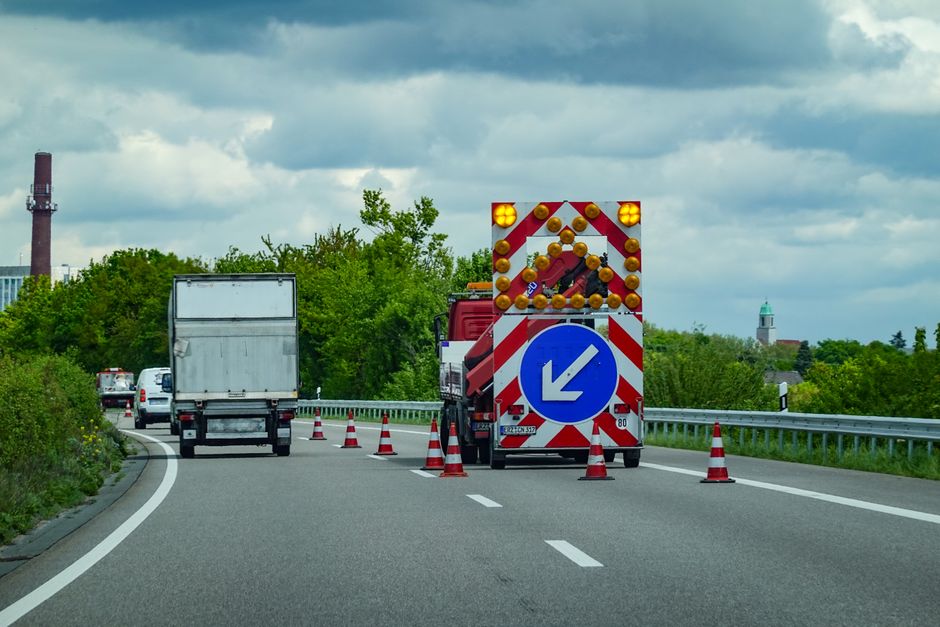
Road closure rules are basically the instructions that control who may enter, stop, load, unload, or pass through a stretch of road while access is restricted. Sometimes the closure is full, sometimes it is partial, and sometimes vehicles can pass but cannot stop where they normally would. For a move, the difference is huge.
Here is the plain-English version:
- Full closure: vehicles may not enter except for authorised access or emergency use.
- Partial closure: one side, lane, or direction may be affected, often with cones, marshals, or signage.
- Suspended parking or loading bay: the road itself may be open, but stopping there is not allowed.
- Temporary traffic management: diversions, one-way operation, or controlled access may be in place around works or events.
For movers, the key question is not just "can the van get there?" It is "can the van stop safely and legally close enough to the property for a workable load?" If the answer is no, you may need a permit, an alternative bay, a smaller vehicle, a shuttle arrangement, or a different start time.
A lot of moving problems come from this one common misunderstanding: people assume that if there is room, they can use it. Not always. In a managed street, estate, or closure zone, visible space does not automatically mean legal space. That is where fines and disputes start.
If your move involves awkward access, stairs, or a longer carry from the vehicle to the door, it is sensible to review access-restricted moves near Kidbrooke Station and stairs. It gives a good feel for why access planning matters even when the move itself is small.
Key Benefits and Practical Advantages
It is easy to think road closure rules only create extra admin. In practice, they can make your move safer, faster, and cheaper if you handle them properly.
- Fewer delays: you are less likely to arrive and discover the route is blocked.
- Lower risk of fines: legal stopping points and approved access reduce the chance of enforcement action.
- Less lifting distance: the closer the van can park, the less carrying and strain for everyone involved.
- Better time planning: you can schedule around restricted periods instead of battling them.
- Less neighbour friction: a tidy, lawful loading plan is usually better received by residents and building managers.
- Improved safety: fewer rushed manoeuvres, fewer risky reverses, and fewer arguments in the street.
There is another advantage people overlook: confidence. When you know where the van is allowed to be, you stop second-guessing every turn and every kerb. That sounds small, but on moving day it can be the difference between a smooth start and a slightly chaotic one. And let's face it, nobody wants to be that person pacing the pavement with a phone in one hand and a soggy clipboard in the other.
Who This Is For and When It Makes Sense
This topic matters to just about anyone moving in Kidbrooke, but some people need it more than others.
Home movers
If you are moving house, especially from a flat, maisonette, or a street with limited waiting space, road closure checks are essential. The more items you have, the more dependent you are on a close parking position. If your move is larger, look at house removals Kidbrooke for broader moving support and planning.
Flat movers and apartment residents
Flats often come with tighter access, controlled estates, and stricter loading expectations. A closure or suspended bay can turn a short lift into a long carry very quickly. If you are working with limited time slots, flat removals Kidbrooke may be worth considering because those moves often need very careful vehicle positioning.
Students and short-notice movers
Students often move quickly, sometimes with only a few days' notice. That is exactly when people skip checks and hope for the best. If that sounds familiar, student removals Kidbrooke can help you think through access, timing, and load size before the day gets messy.
Small businesses and office moves
Office moves can be more sensitive because they may need a vehicle outside office hours or a specific loading window. If the road is closed, you may need an earlier start, a smaller van, or a multi-stage plan. See office removals Kidbrooke if you are moving equipment, files, or furniture.
Anyone with large or fragile items
Big items need more room, more time, and better access. Think pianos, wardrobes, sofas, beds, fridges, and anything awkwardly shaped. A closure can make those moves feel twice as complicated. For heavier or delicate pieces, the right vehicle and loading plan matter a lot. You may also find furniture removals Kidbrooke useful when planning the load.
Step-by-Step Guidance
Here is a simple process that works well in real life. Not glamorous. Very effective.
- Map your exact origin and destination. Do not stop at the postcode. Check the precise street, entrance, and any estate roads, service yards, or one-way sections.
- Look for signs of temporary restrictions. Roadworks cones, diversion boards, and parking suspension notices can all change the moving plan.
- Confirm the best loading point. Ideally, identify a legal stop within a sensible carrying distance of the property entrance.
- Match the vehicle to the street. A larger van may be efficient, but if it cannot safely reach the loading point, it is the wrong van for that move.
- Build in a time buffer. Road closures can add five minutes or fifty. Leave breathing room, because traffic has a habit of behaving badly exactly when you need it not to.
- Prepare an alternative plan. Have a backup street, a second loading point, or a small-item shuttle option ready.
- Brief everyone before arrival. The driver, movers, and household should know where to park, where to carry from, and who checks updates.
- Document anything unusual. If an estate manager, marshal, or building supervisor gives guidance, make a note of it. That helps if there is confusion later.
If you want to make the packing side less frantic too, master the art of packing for your next house move is a practical companion read. Good packing and good access planning go hand in hand, even though people often treat them as separate jobs.
Expert Tips for Better Results
There are a few small habits that make a large difference.
- Start with the narrowest point: If the road access is tight, plan for that first and build the move around it.
- Use a loading zone mindset: Treat the street like a shared workspace, not a private driveway.
- Keep the van visible but sensible: A legal stop that is slightly farther away is better than a risky stop right outside the door.
- Prioritise the bulky items: Put the heaviest, least flexible pieces nearest the exit so they can go out first once access is confirmed.
- Work with the traffic pattern: Early mornings can be calmer, but only if the road is actually open and legal to use then.
- Check the weather: A wet day makes long carries slower, noisier, and more awkward. The sound of boxes scraping along a wet floor mat is a dead giveaway that the plan could have been better.
A useful rule of thumb: if you are unsure whether the van can safely stop where you want it to, assume it cannot until confirmed otherwise. That sounds cautious, because it is. But cautious is cheaper than a fine.
If you are moving awkward items, especially anything that needs careful handling, a specialist approach can save both time and damage. For example, piano removals Kidbrooke is a very different job from shifting a couple of boxes, and the access plan should reflect that difference.

Common Mistakes to Avoid
Most move-day fines and headaches come from a handful of predictable mistakes. The good news? They are easy to avoid once you know them.
Assuming the route is open because it was open yesterday
Temporary works change quickly. Yesterday's clear street can be today's closed section. Always check again close to the move.
Parking "just for a minute" in a restricted spot
This is one of the fastest ways to attract trouble. A brief stop can still count as an offence if the area is suspended or closed.
Not planning for the carry distance
If the van is forced to stop farther away, the carry distance may become the real bottleneck. Suddenly what felt like a 45-minute unload becomes a two-hour slog.
Ignoring estate or building rules
Some roads look public but are managed by private or semi-private rules. That distinction matters more than people think.
Bringing the wrong-sized vehicle
A larger van might reduce trips, but not if it cannot use the road legally. The wrong fit can create more moves, not fewer.
Leaving permits or permissions until the morning of the move
Last-minute admin often fails. And when it does, everybody stands around. Nobody enjoys that. Not even the van.
Tools, Resources and Recommendations
You do not need a complicated system, just a reliable one.
- Move-day checklist: Keep a written list of access, parking, loading, and contact steps.
- Phone notes or screenshots: Save any permission details, time windows, or instructions you are given.
- Measuring tape: Useful for checking whether larger items will clear doorways, lifts, and stair turns.
- Floor plan or simple sketch: Helps you see where the van, entry point, and rooms connect.
- Labels and colour coding: Makes short-carry or split-load moves far easier to manage.
It also helps to think beyond the road itself. A closure can affect the whole move chain: packing, loading order, lift access, arrival time, and how long boxes sit on the pavement. If you are still decluttering, the article on streamlining your space before moving is a strong starting point, because fewer items usually mean a faster, cleaner move.
If you are unsure about the broader service setup, services overview gives a clearer picture of how a move can be structured from start to finish. And if you are comparing options, it is also sensible to check pricing and quotes so you understand what may affect the final cost.
Law, Compliance, Standards, or Best Practice
When road closures affect a move, the key legal and compliance point is straightforward: you must obey the signs, restrictions, and any instructions from the authority or site manager in control of the area. In the UK, moving vehicles are treated like any other vehicle when it comes to stopping, loading, and obstruction. If a road is closed, suspended, or otherwise restricted, you cannot assume a moving van gets special treatment.
In practice, that means:
- do not enter closed sections unless access is clearly permitted;
- do not stop in suspended bays unless specifically authorised;
- do not block junctions, crossings, or emergency access;
- plan around temporary restrictions rather than trying to work through them;
- keep a sensible buffer for enforcement, delays, and route changes.
Best practice is to confirm access as close to the move date as possible, especially for streets near busy transport links, local works, or managed estates. That is particularly relevant around Kidbrooke, where access conditions can shift depending on the road, the day, and the type of property. If your move also involves a tight schedule or same-day turnaround, same day removals Kidbrooke may be worth considering, provided the access plan is sorted first.
Another practical best practice is to think about safety. Good access planning protects pedestrians, neighbours, and the movers themselves. If you want to dig deeper into safe handling and lifting habits, insurance and safety and health and safety policy are both useful references for understanding how a careful move should be organised. For anyone handling bulky loads, the article discover the science behind kinetic lifting adds a useful practical angle too.
Options, Methods, or Comparison Table
Different move setups suit different access conditions. Here is a simple comparison to help you decide what fits your situation best.
| Approach | Best for | Pros | Trade-offs |
|---|---|---|---|
| Direct street loading | Open roads with legal stopping space | Fastest carrying, simplest setup | Not suitable where closures or suspensions apply |
| Nearby legal bay or loading point | Restricted streets with some nearby access | Lower risk of fines, still fairly efficient | May add a longer carry distance |
| Small van plus shuttle system | Narrow roads, closures, or limited access estates | Flexible, often easier to position | More trips, more coordination |
| Timed early-morning move | Busy roads with short restricted windows | Can avoid peak pressure | Only works if restrictions allow it |
| Specialist removal support | Large, fragile, or awkward moves | Better handling, better planning, fewer surprises | Costs more than a do-it-yourself attempt |
For many Kidbrooke moves, the best answer is a blend: a legal loading point, a properly sized van, and a realistic time window. Not fancy. Just workable.
Case Study or Real-World Example
Here is a realistic scenario. A couple moving from a flat near Kidbrooke needed to load furniture on a Saturday morning. They assumed the van could stop directly outside because the road looked clear on a quick drive-by the previous evening. On arrival, they found a temporary road restriction and suspended parking nearby due to local works. The van could not legally stop where they expected.
At first, they tried to improvise. You can guess how that went. Boxes were carried farther than planned, a sofa had to be rotated in a tight space, and the move took nearly twice as long. No one broke anything, thankfully, but the stress level was noticeable. By the time the last box was in, everybody looked a bit done in.
The lesson was simple: the issue was not the move itself, but the assumption that the access would be the same as usual. If they had checked the route, confirmed the stopping point, and had a backup loading plan, the day would have been far calmer.
That kind of situation is exactly why local planning content matters. If you want more on the way Kidbrooke moving logistics often stack up, Kidbrooke Park Road removals parking permit advice and Greenwich Council permits for Kidbrooke moving vans can help frame the bigger picture, even if your exact street differs.
Practical Checklist
Use this before moving day. Honestly, it saves a lot of bother.
- Confirm the exact move date and time window.
- Check for road closures, suspended bays, or temporary works near both addresses.
- Identify a legal loading and unloading point.
- Measure large items and confirm the carry route is workable.
- Match the van size to the street, not just the number of boxes.
- Share access instructions with everyone involved.
- Prepare a backup parking or loading option.
- Keep contact details for the household, building manager, or site supervisor to hand.
- Label heavy, fragile, and priority items clearly.
- Leave extra time for delays, traffic, and surprises.
- Check whether you need help with bulky waste, storage, or last-minute loading changes.
If you are still clearing out items before the move, the guide to bulky waste in Kidbrooke and cheap removal options can be a useful companion read. And if you are stuck between keeping items in storage or moving them straight away, storage Kidbrooke is worth keeping in mind.
Get a free quote today and see how much you can save.
Conclusion
Road closure rules are one of those moving-day issues people only learn about after they have become a problem. In Kidbrooke, that can mean delays, extra carrying, awkward parking decisions, and occasionally a fine that feels very avoidable in hindsight. The good news is that most of it can be managed with a bit of checking, a realistic loading plan, and the willingness to adjust rather than force the issue.
If you remember just one thing, make it this: the best move is not the one that looks fastest on paper, but the one that still works when the street changes under your feet. Build around access, keep a backup, and give yourself enough margin to stay calm. It really does make a difference.
And if all else fails, a slower move with fewer surprises is almost always the better day. Your future self will be glad you took the careful route.